Repair-First Assessment
We separate isolated damage from system-wide deterioration and show what can be repaired before discussing replacement.
Assessment and repair for leaning posts, damaged pickets, worn sections, sagging gates, bent rails, and storm-related fence damage.
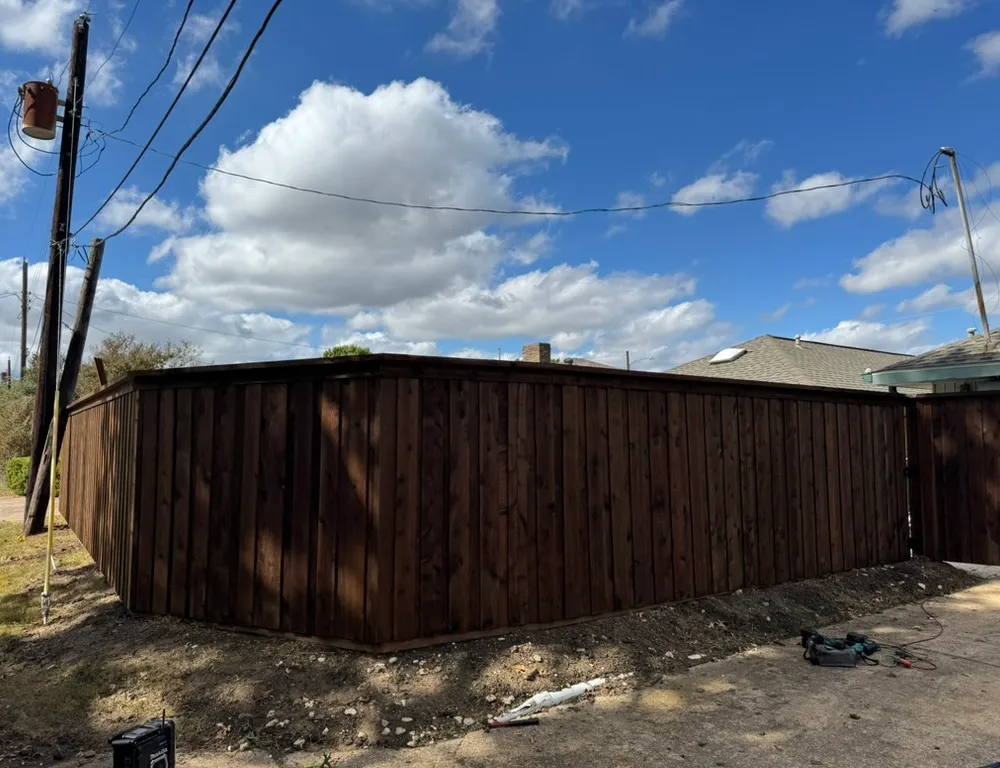
A leaning section can come from a failed post, footing, soil movement, wind load, drainage, or a combination of issues. Replacing only the visible board may hide the symptom without fixing the cause.
A useful repair estimate identifies the exact sections and components: posts, footings, rails, pickets, panels, hinges, latches, gate frames, chain-link fabric, or metal coating. It should also explain where matching aged wood or finish is unlikely.
Minor repairs may fall under a city permit exception, while larger replacements may not. The actual length and scope should be checked against current Frisco rules instead of assuming every “repair” is exempt.
Observed failure, proposed fix, materials, limits, finish matching, and exclusions.
We separate isolated damage from system-wide deterioration and show what can be repaired before discussing replacement.
Common work includes resetting or replacing posts, replacing damaged boards, correcting gates, and repairing chain-link or metal components.
New wood and coatings may not immediately match aged materials. The proposal notes where a blend is practical and where a full section will look cleaner.
The written estimate identifies the sections, components, materials, and exclusions so a targeted repair does not turn into an open-ended job.
The exact timing changes by project. The decision path should not.
Review the fence line, access, grade, drainage, existing conditions, material goals, gates, and any permit or HOA constraints.
Confirm material, layout, finish, demolition, cleanup, approvals, exclusions, change handling, price, and applicable warranty terms.
Sequence the work around the approved scope, material availability, site access, weather, inspections, and required cure times.
Review the completed fence line, gate operation, visible punch-list items, care information, and the documents tied to the project.
Repair-versus-replace, matching, permits, and damage documentation.
That depends on how much of the structural system is affected. Isolated pickets, hardware, rails, or posts may be repairable. Repeated rot, widespread post failure, or multiple failing sections may favor replacement.
Color and grain vary, and weathered wood changes over time. A close blend may be possible with prep and stain, but an exact immediate match should not be promised.
The City of Frisco provides limited exceptions for minor repairs. Larger repairs and replacements may require a permit, so the current city rules should be checked against the actual scope.
We can document observed conditions and the proposed repair scope. Coverage and claim decisions belong to your insurer and policy.
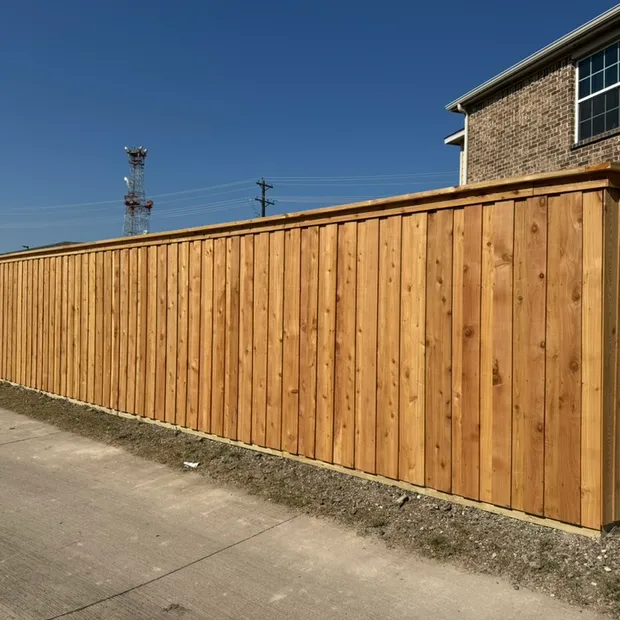
Cedar and treated-pine privacy fences with board-on-board, side-by-side, gate, trim, and top-cap options.
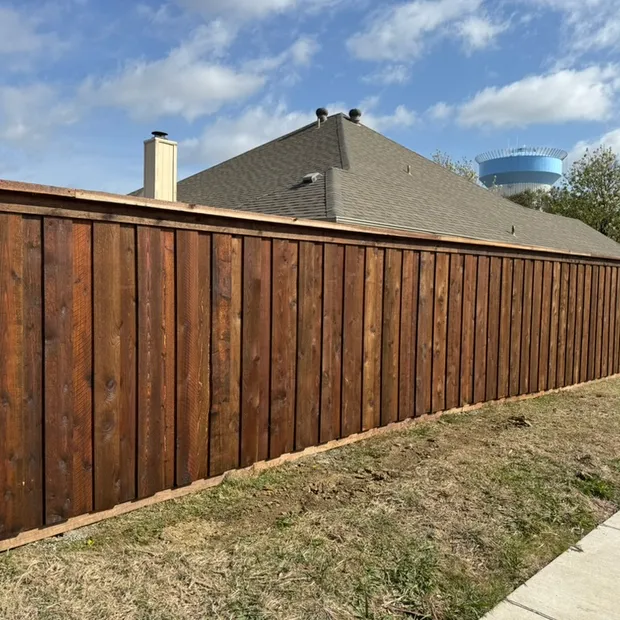
Fence cleaning, preparation, color selection, and stain application for new or weathered cedar and pine fences.
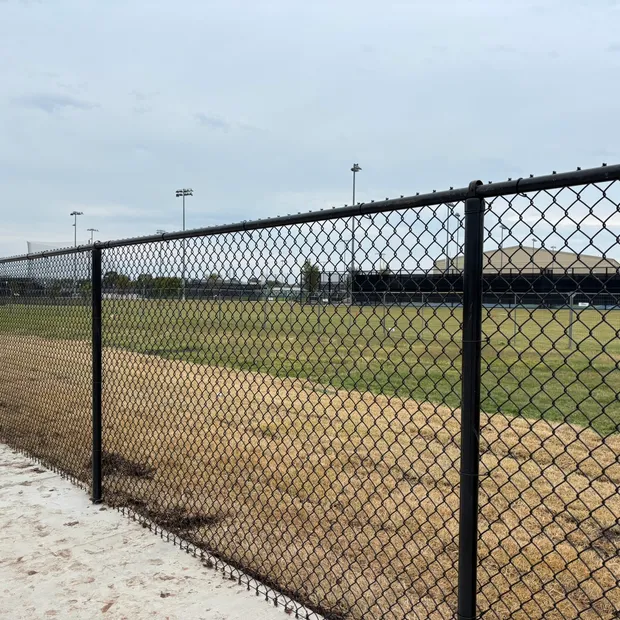
Galvanized and black vinyl-coated chain link for yards, dog runs, athletic areas, commercial perimeters, and gates.
Share the fence line, material, condition, and access details you already know. We will use them to prepare the next questions and a written estimate.